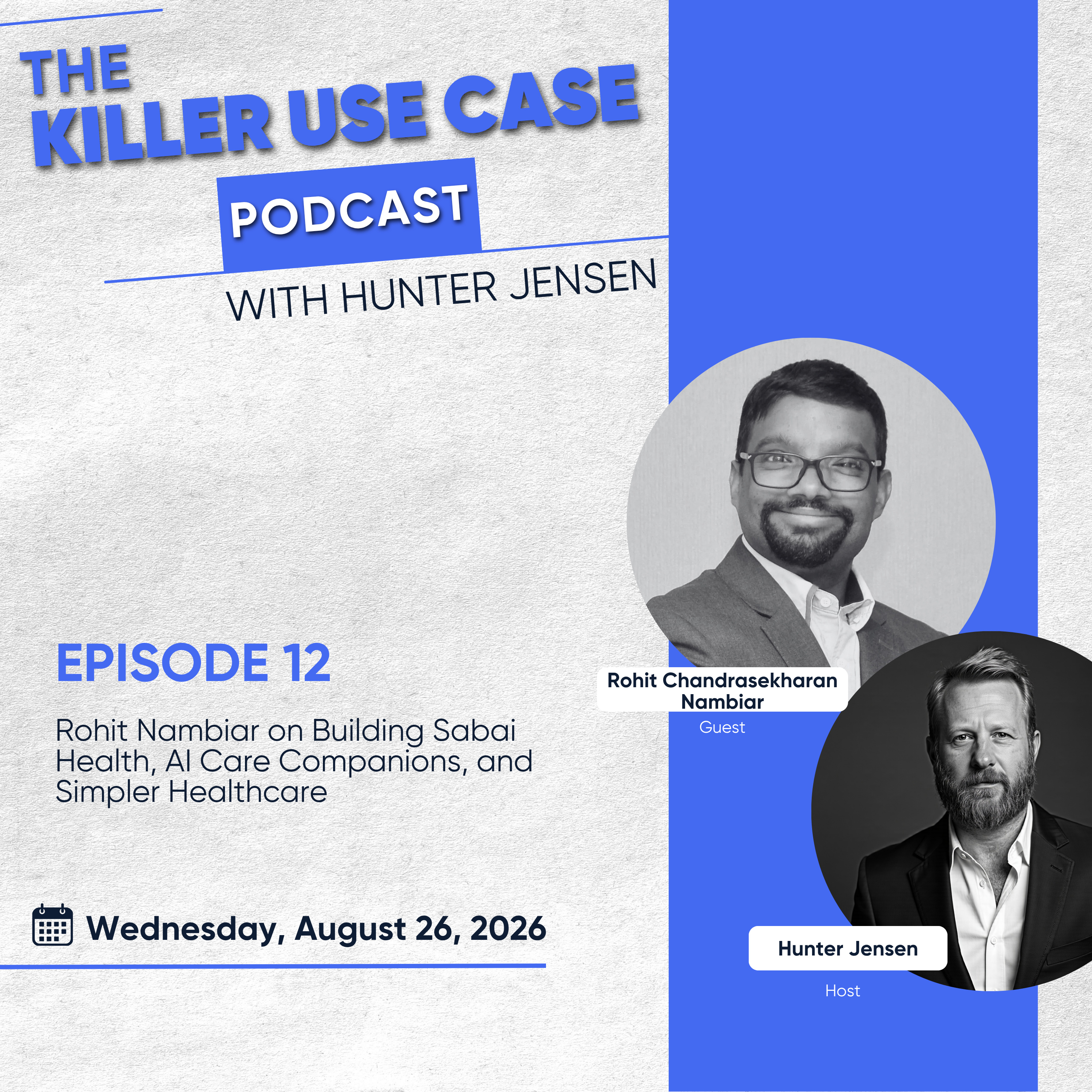
In this wide-ranging technical discussion, founders and operators across consulting, logistics, and software development compare how agentic AI is reshaping the way they build software, run operations, and structure daily work. The conversation explores a shift from traditional SaaS tools to rapidly built internal applications powered by LLMs, including ephemeral apps, workflow automation, and agent-driven DevOps pipelines. A major theme is the emergence of persistent memory systems and context management strategies that allow AI agents to operate more effectively over time. The participants also examine the tradeoffs of speed versus control, including security isolation, prompt injection risks, and the growing need for production hardening as “vibe-coded” tools move toward real-world deployment. Along the way, they highlight both the productivity gains and psychological intensity of working in highly agentic, always-on AI environments.
Takeaways
Today's guests can be found at:
Greg Moser:
Website: https://www.shipcalm.com/
LinkedIn: https://www.linkedin.com/in/gregmoser/
Scott Turman:
Website: https://scottturman.com/, https://brightray.com/
LinkedIn: https://www.linkedin.com/in/scottturman/
IMDb: https://www.imdb.com/name/nm14602682/
Your host, Hunter Jensen, can be found online at:
Website: https://www.barefootsolutions.com/
LinkedIn:https://www.linkedin.com/in/hunterjensen/
Keywords
agentic AI, large language models, persistent memory, context management, speech to text, workflow automation, subagents, DevOps automation, SaaS disruption, internal tools, software development, orchestration, Slack workflows, AI collaboration, security isolation, prompt injection, cloud deployment, Azure, Google Cloud, QA testing, product hardening, vibe coding, automation systems, latency optimization, enterprise AI systems


Listen & Elevate Your Business
New episodes released every other Wednesday
Listen, watch, or subscribe:



The Killer
Use Case
Home
Episodes
About
Follow


Subscribe